
Attempts at successfully automating the core screen-printing
process.

The unabridged story of the wrong turns, flooded apartments, failed equipment, lucky breaks, hard pivots and people who helped turn a small Southern T-shirt line into UNITEE.
We believe the details of our journey help explain the deep appreciation we have for our clients and the level of care we bring to every account.
UNITEE was not built through a clean business plan, unlimited funding or a straight line of good decisions. It came together through experimentation, mistakes, family support, stubbornness and a willingness to keep adapting whenever the original plan stopped working.
I entered the workforce with two degrees, plenty of ambition and the classic personality of an unemployable dreamer.
It was not that I did poor work. Usually, I overdid it. I was impatient, constantly looking for the next challenge and genuinely frustrated whenever I felt the people around me were moving too slowly. If I was not learning or progressing fast enough, I moved on.
Before UNITEE, I bounced through seven different workplaces. My goal after school was to become a creative director at a respected agency. At my final stop, I reached that position and was being considered for partnership at an advertising agency and marketing technology startup.
The owners were incredible mentors who treated me like family. From the outside, it looked like I had made it. Internally, I was still restless and poorly managing the money I earned.
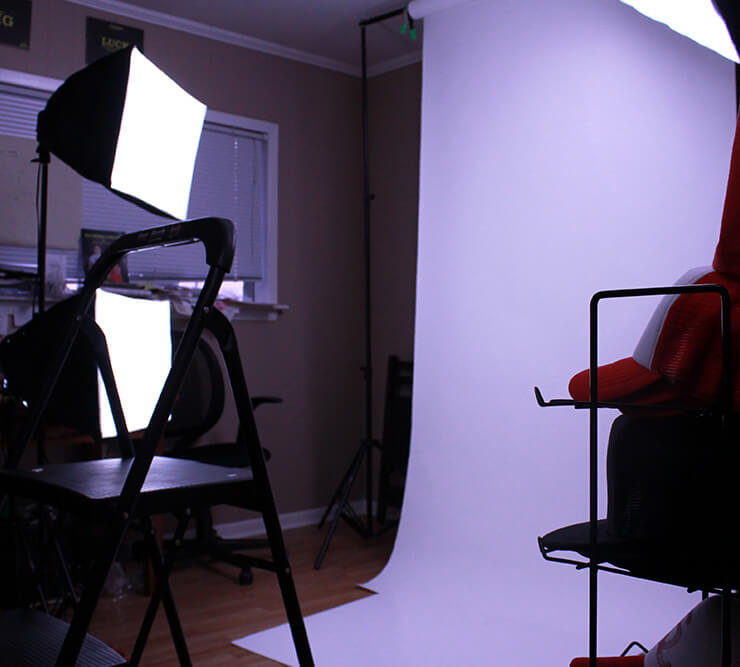
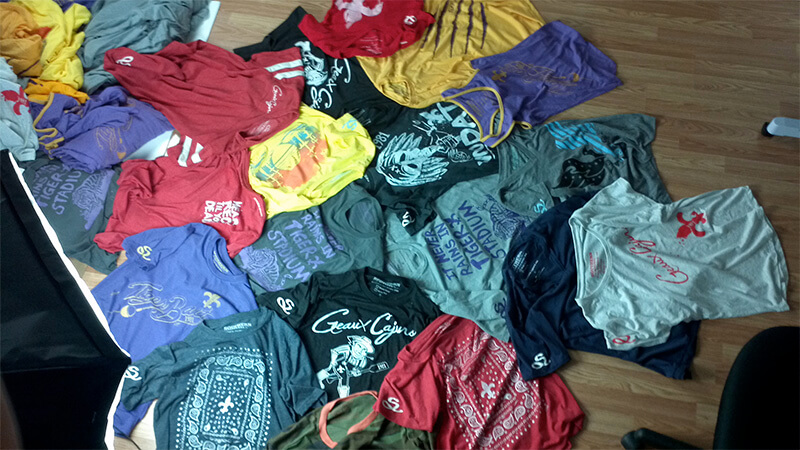
In January 2012, at 31 years old, I began sketching graphic T-shirt ideas as a possible way out. By the end of that year I had created a website and a small line of lighthearted, Southern-inspired apparel.
Startup costs, excluding the countless hours of work, were roughly $450. A specialized screen-printing shop in Nashville produced the shirts.
I would fill a backpack, carry the inventory to an event, sell what I could and use the money to buy more. That first operation was called Southern Apparel.
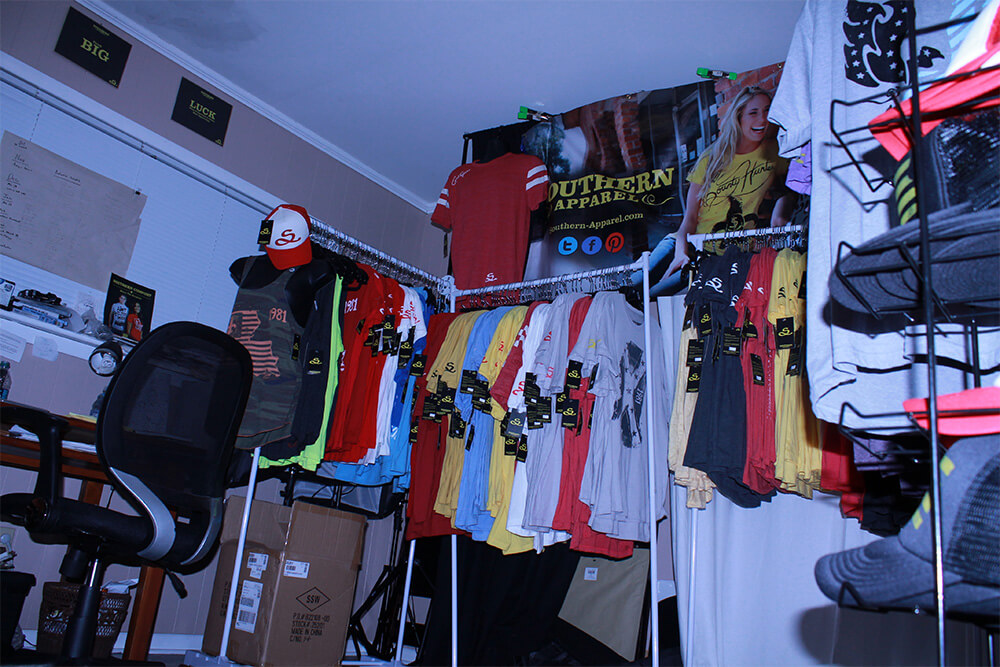
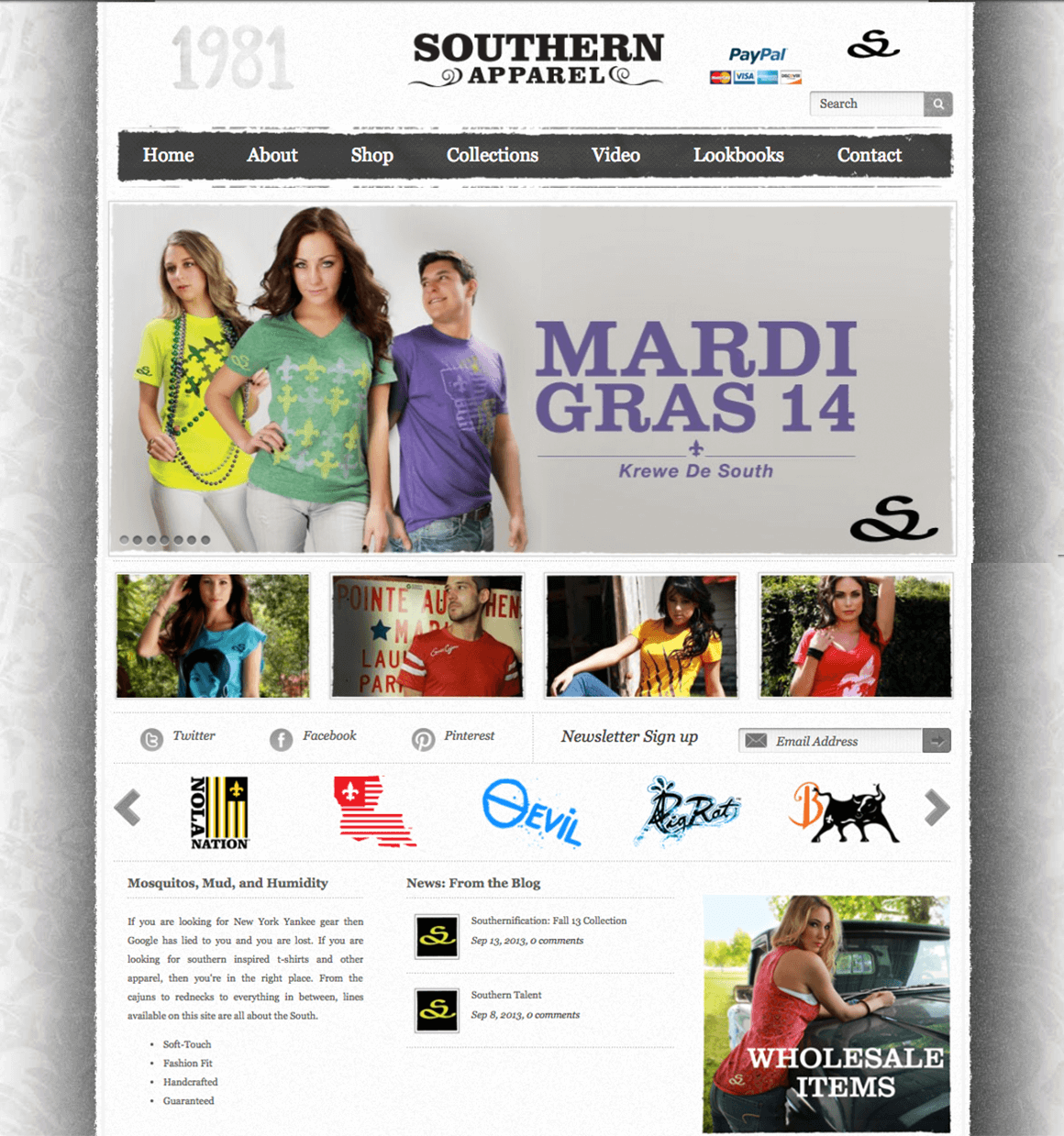
The designs attracted attention almost immediately. The problem was that I had absolutely no business background and no idea what to do with that attention.
Articles were written about the clothing line, and a local news station covered the story. Properly leveraging earned media was far beyond my abilities.
Something had switched on, though. I began reading every cliché business book I could find. I worked my way through The 4-Hour Workweek, The E-Myth Revisited, biographies of Warren Buffett and anything else that might explain how a business was supposed to work.
I probably understood only half of what I was reading, but it did not matter. I was hooked on learning.
I Was Inspired By Your Story, And I Believe You’re Going To Make It.James Harmon, the local bank manager who approved an unsecured $3,000 loan after seeing the news story.
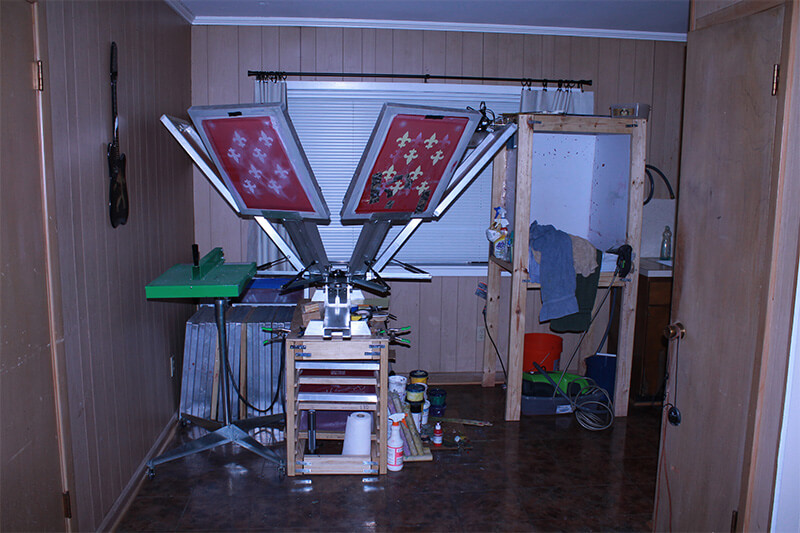
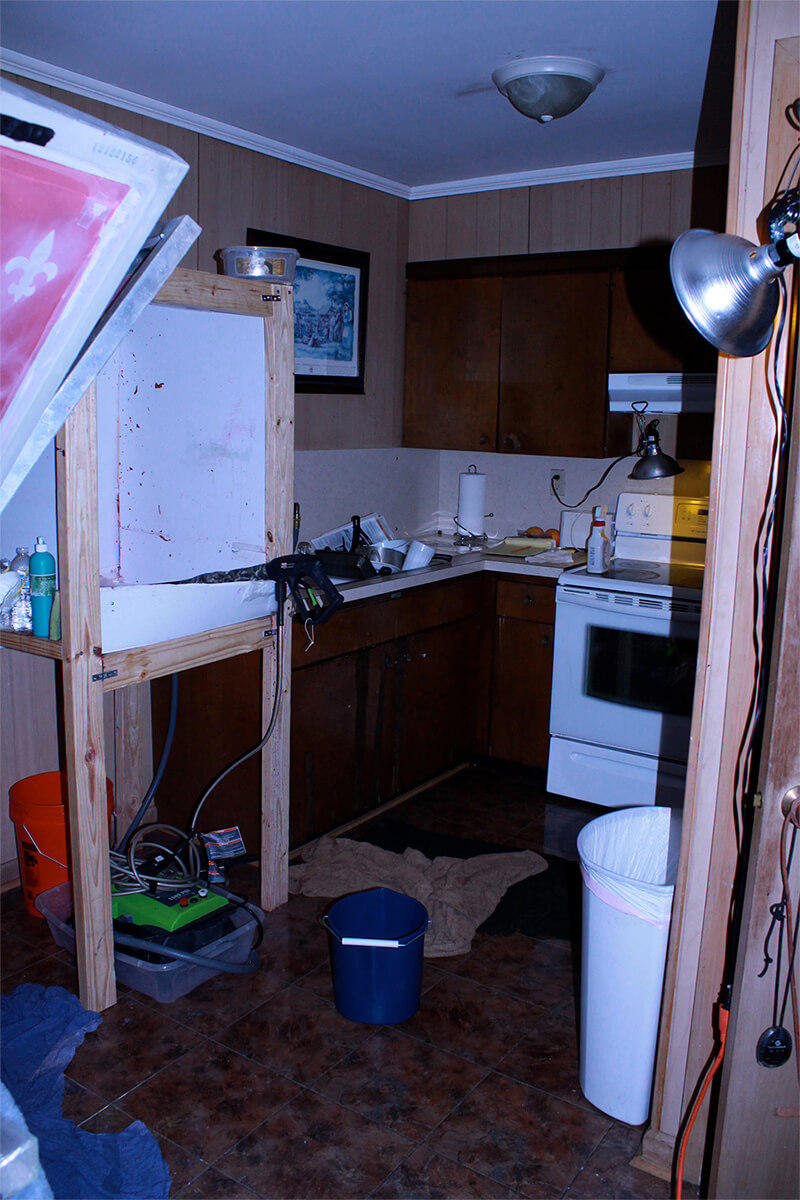
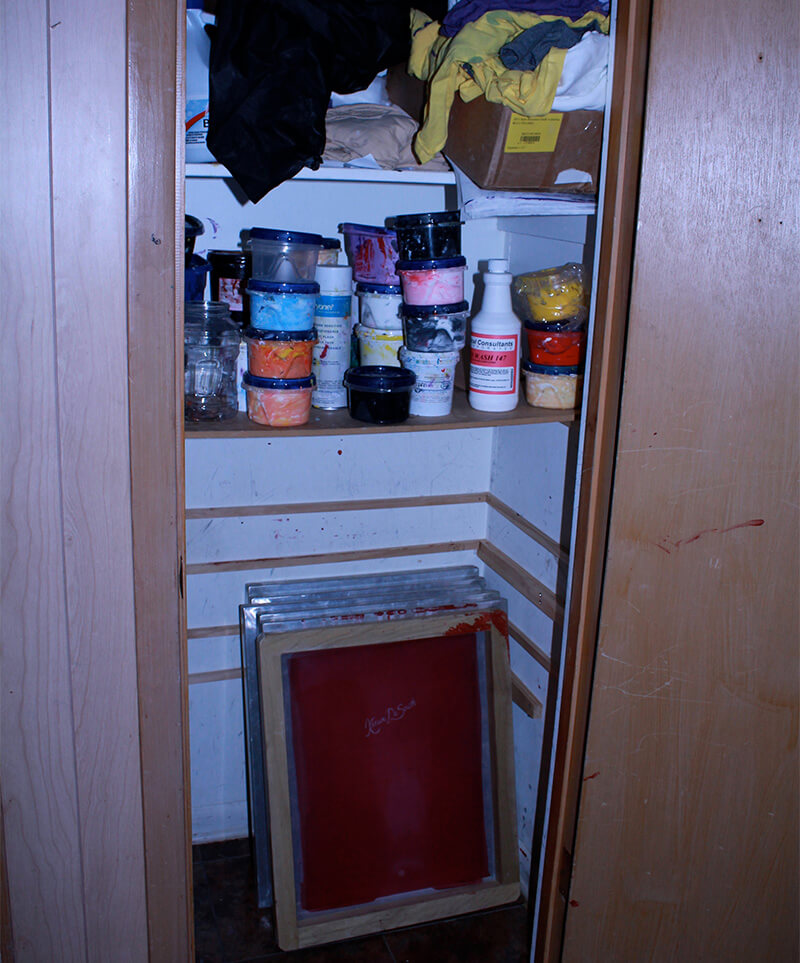
Relatively speaking, that $3,000 might as well have been $30 million. It allowed me to put screen-printing equipment inside my apartment.
My dad helped build tables. I hired a few high school students to print while I worked my day job. At night I created designs, packed online orders and tried to understand production.
On weekends, I sold anywhere I could find a crowd: football games, flea markets, community festivals, CrossFit competitions and even a fashion week in New Orleans.
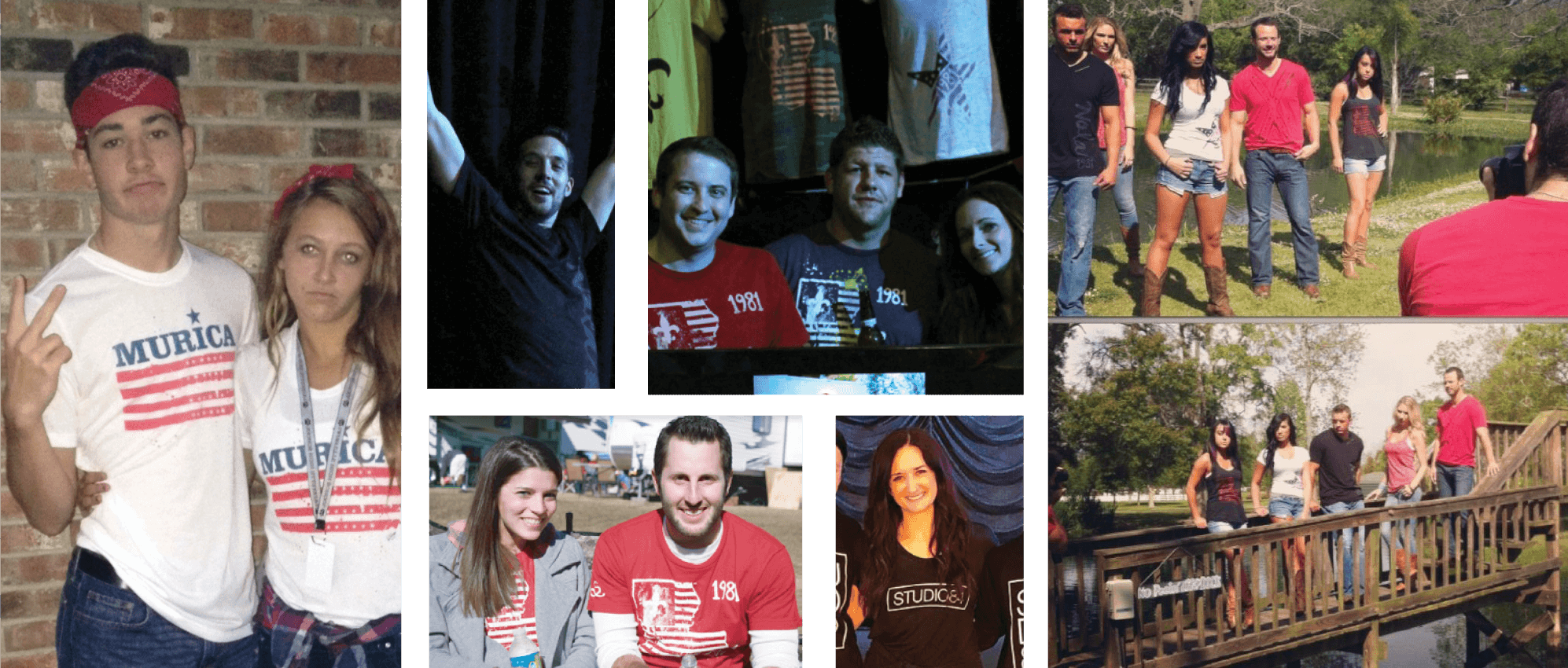
Overall sales were unpredictable, with one major exception: fitness events.
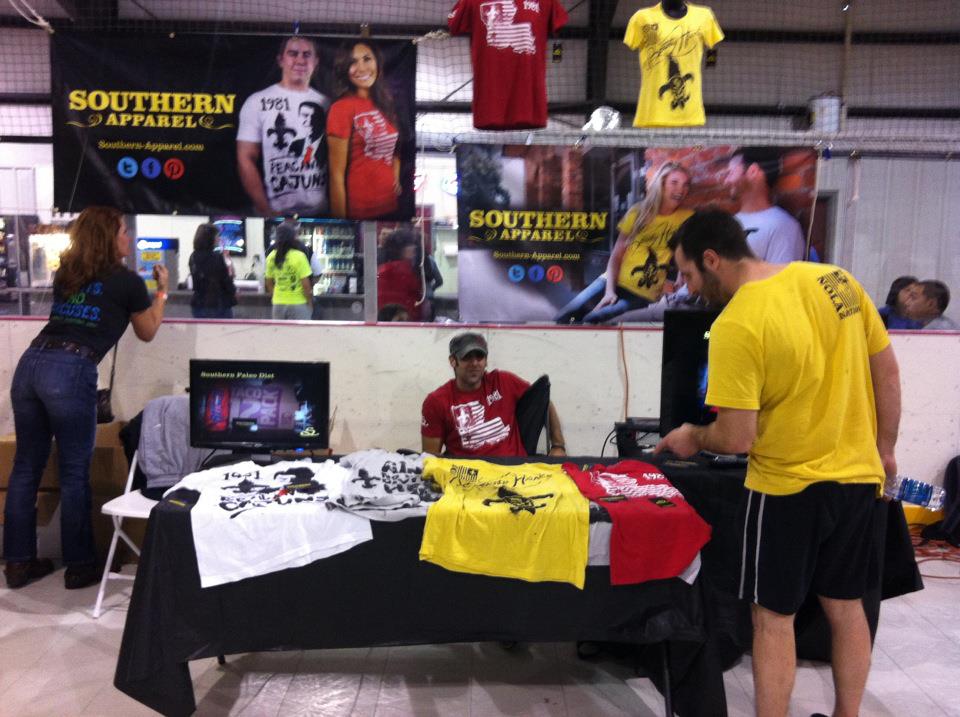
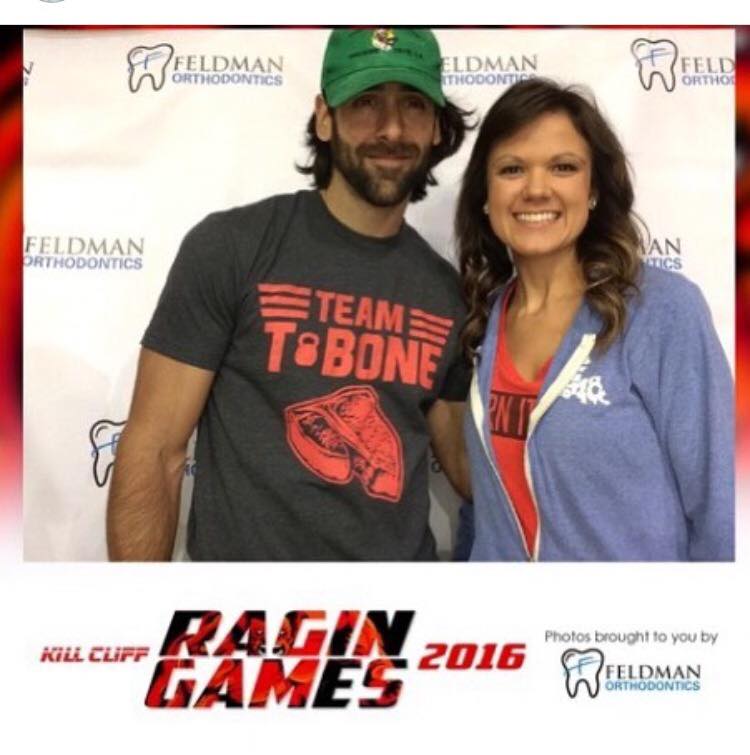
Several close friends insisted that I try selling at CrossFit competitions. One friend believed in the idea enough to cover the vendor entry fee for a regional competition called Ragin Games.
We sold out that day.
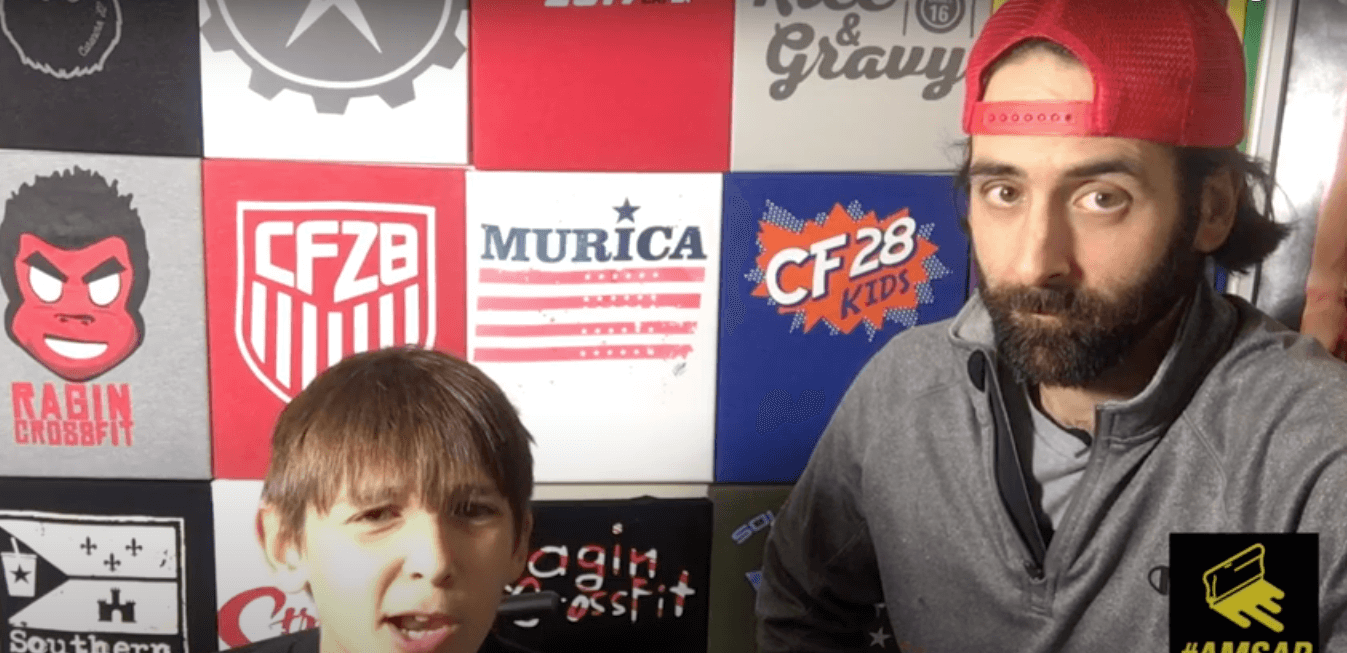
I joined a CrossFit gym the next morning and was completely hooked. We shifted more of our weekend schedule toward fitness competitions throughout Louisiana.
The community valued strong design, identity, shared experiences and apparel that meant something to the people wearing it.
Three years in, the clothing line was beginning to look less like a growing brand and more like a financially draining hustle.
A large online retailer had offered us a national rollout through its dropshipping program. A few boutiques in Western Europe carried the garments. Our shirts appeared in independent films, and social media influencers helped spread the designs.
From the outside, the dream appeared to be working. Behind the scenes, the foundation was weak.
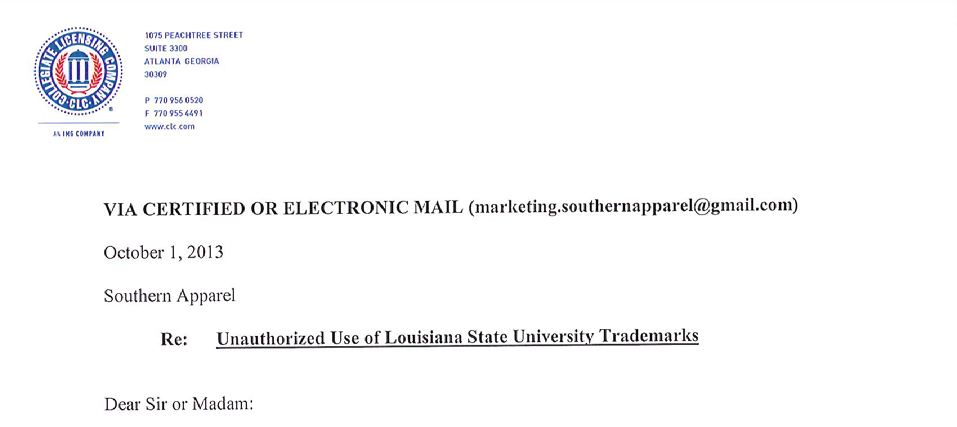
We accumulated cease-and-desist letters from larger companies protecting their territory. The national retailer dropped us because we could not consistently supply enough inventory.
Forecasting demand across different events was eating us alive. We eventually accumulated roughly $30,000 in inventory that could not be moved quickly enough.
We bought poor equipment, made inefficient decisions and continued producing inside an apartment that we nearly destroyed with water, pressure washers and industrial chemicals.
Southern Apparel, as a retail clothing line and aspiring lifestyle brand, was not working. It had to be rebuilt.
The Only Thing Keeping Me Going Was Hard-Headedness And The Desperation To Make It Turn The Corner.Joel Hebert
The first major growth spurt came from trying to solve our biggest weakness: unsold inventory.
I originally imagined a kiosk that could allow spectators to design a shirt and print it on demand. It was a strong idea, but I had no engineering background, no software background and very little capital.
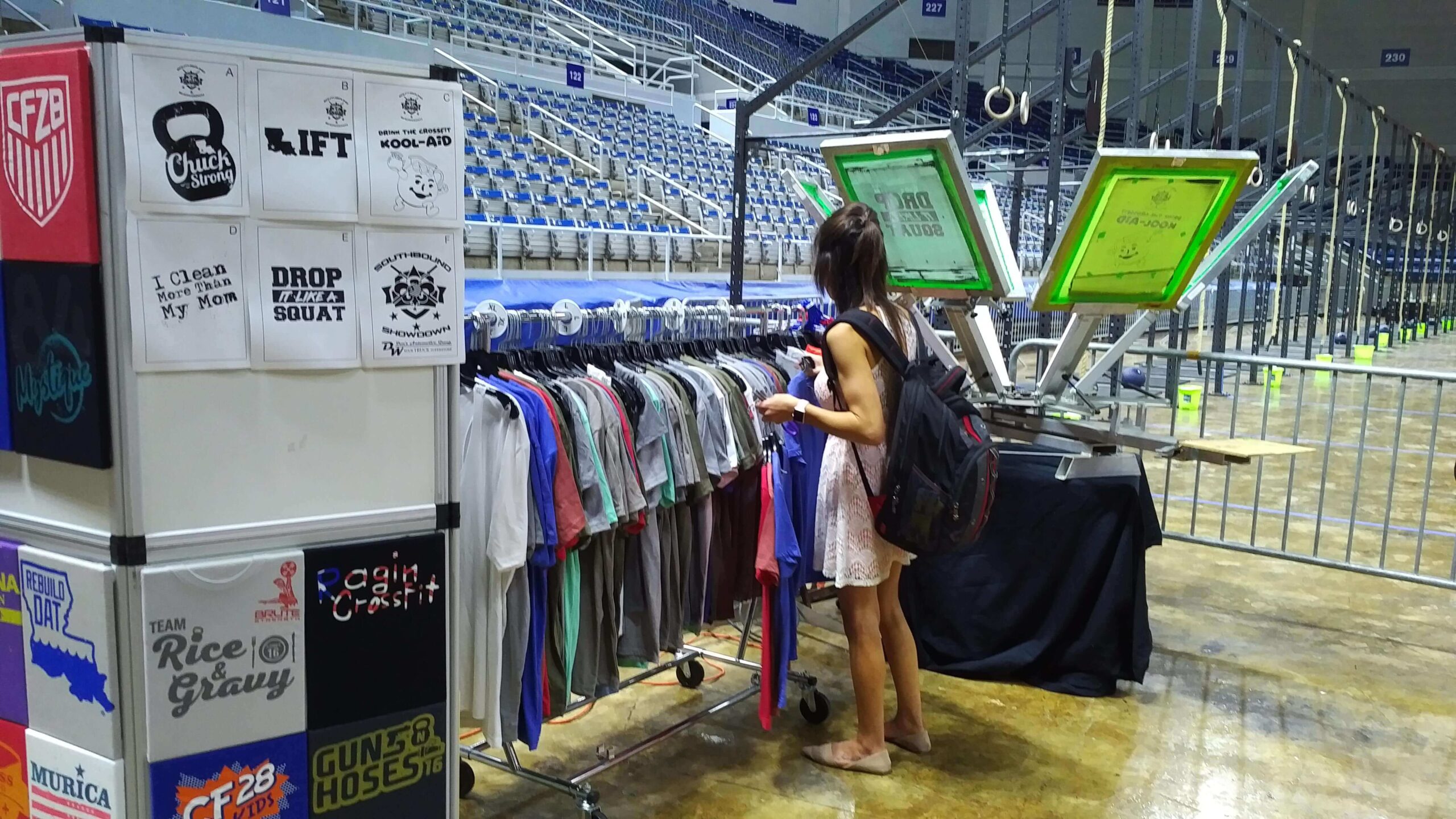
So we tried the next-best version. Instead of carrying premade graphics to events, why not collaborate with the event organizers, bring blank garments and print event-specific products on-site?
This reduced inventory risk for the organizers and turned the printing process into an experience for spectators. At the first live-printing event, we collected nearly six figures’ worth of viable client leads.
That was the breakthrough. As we moved away from the clothing line, the custom-apparel side of the company began to grow.
Around this time, I purchased a commercial embroidery setup at a 29% interest rate, believing that retail-quality headwear would solve our problems.
It was a disaster. Our challenges were far too deep for a single machine to fix. Equipment does not create demand. Human connection does.
Yet the pressure to pay for that machine forced us to pursue more custom work. The poor decision accidentally pushed the company toward the business model that eventually saved it.
The business truly began to take off when Tanya and I started building it together. We did not bring the same strengths to the table. We brought the strengths the other person was missing.
I had always been driven by vision, design and the next big idea. I could see what the company might become, imagine new services and push us toward opportunities that did not yet exist.
That energy helped start the business, but ideas alone were not enough to build a dependable company. Someone had to stay close to the daily reality of the work, listen carefully to clients and make sure the details were properly executed.
Tanya was a teacher by trade, but she was also a natural relationship builder, negotiator and problem solver. Her ear was—and still is—always to the ground.
She hears what clients are actually saying, notices problems before they grow and makes sure promises become completed work. She brought structure, accountability and an entirely different level of care to the business.
Where I tended to look far ahead, Tanya stayed connected to what was happening right now. Where I pushed the vision forward, she made sure the company could responsibly deliver on it.
We perfectly complemented one another. I provided the vision, creative direction and big ideas. Tanya made sure those ideas were grounded, organized and properly carried through.
Together, we became considerably stronger than either of us had been alone. That balance changed the trajectory of the company.
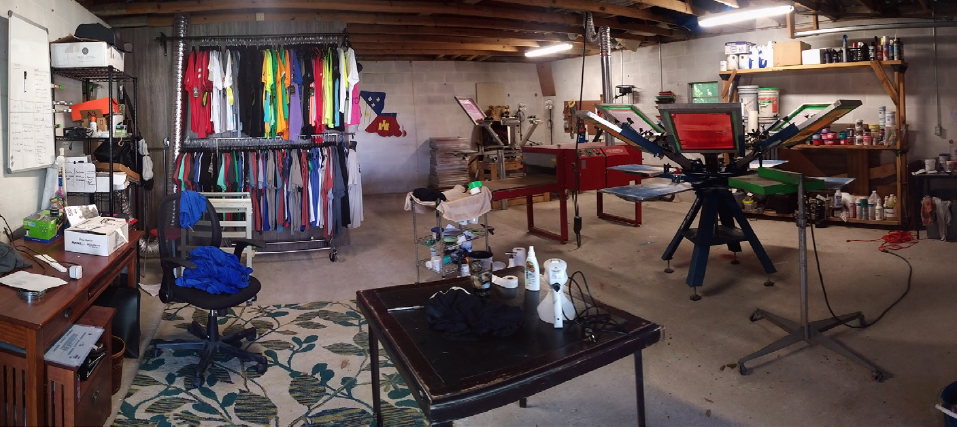
We attended a weekend screen-printing school, received technical training and moved into a house with a 770-square-foot building next door. We purchased an automatic press and somehow squeezed it into that small structure.
By January 2019, I was working all day as a creative director. Tanya managed clients and the business during the day, and we printed together most nights.
My employer offered me a partnership in the agency. At nearly the same time, our own business had finally gained enough momentum to make the decision difficult.
In February 2019, we went full-time.
Clients responded to Tanya, the artwork and the way we approached apparel problems. The business was no longer powered by ideas alone. It now had a stronger combination of vision, communication, follow-through and client care.
We remained severely undercapitalized, and our aging equipment was nearly impossible to optimize. We hired an experienced industry coach to help correct the technical issues and teach us how to manufacture the product properly.
That combination gave the business something it had been missing: balance. The ideas became more focused, client relationships became stronger and the daily work was carried through with greater consistency.
It was no longer one person trying to imagine, sell, organize and execute everything. We were building the company together, with different strengths supporting the same goal.
The Business Took Off When Vision And Execution Finally Started Working Together.Combining complementary strengths became the foundation for the next version of the company.
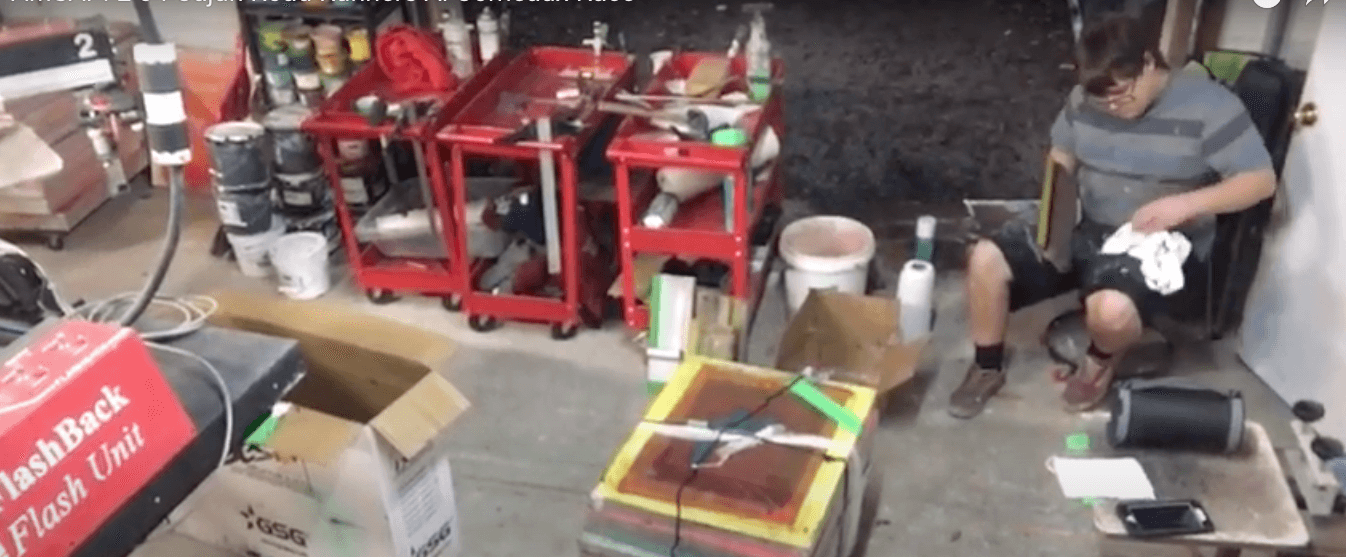
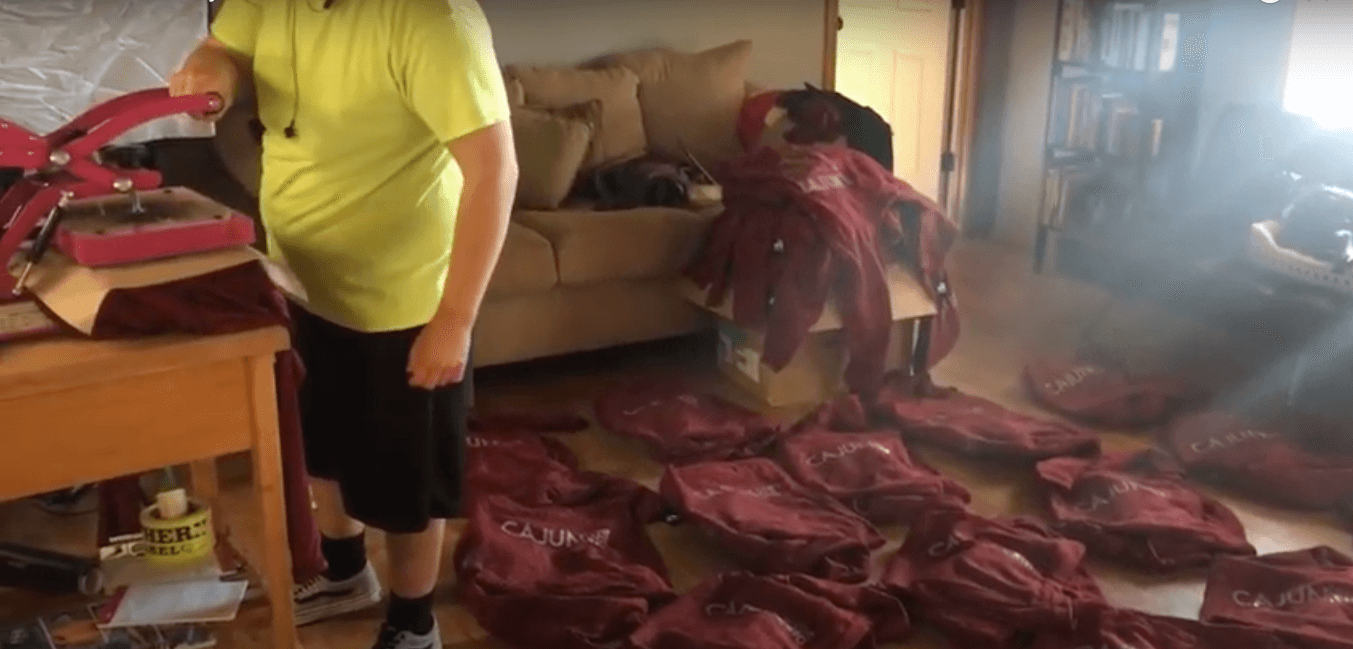
By mid-February 2020, self-renovating during the slow winter months had reduced the company bank account to roughly $850.
Then business rapidly picked up. By the middle of March, we were having our best month to date. Tanya, the small team and I worked for 43 straight hours to complete one large order.
Then COVID arrived.
Our gym clients shut down for months. Many never reopened. The business went from its strongest month to extreme uncertainty almost overnight.
At the same time, a hurricane caused six figures of damage to our home. We were already exhausted and financially vulnerable before either event happened.
Like many families and businesses, it took years to recover from the series of events that began in 2020.
But we did not quit. We began looking harder at the systems, technology and structure required to make the business more stable than it had ever been.
The company had outgrown both its physical space and the identity created for a small Southern retail clothing line.
We traded the 770-square-foot building, along with most of our living space, for a much larger commercial facility. The building had primarily been used for storage and was far from ready for efficient manufacturing.
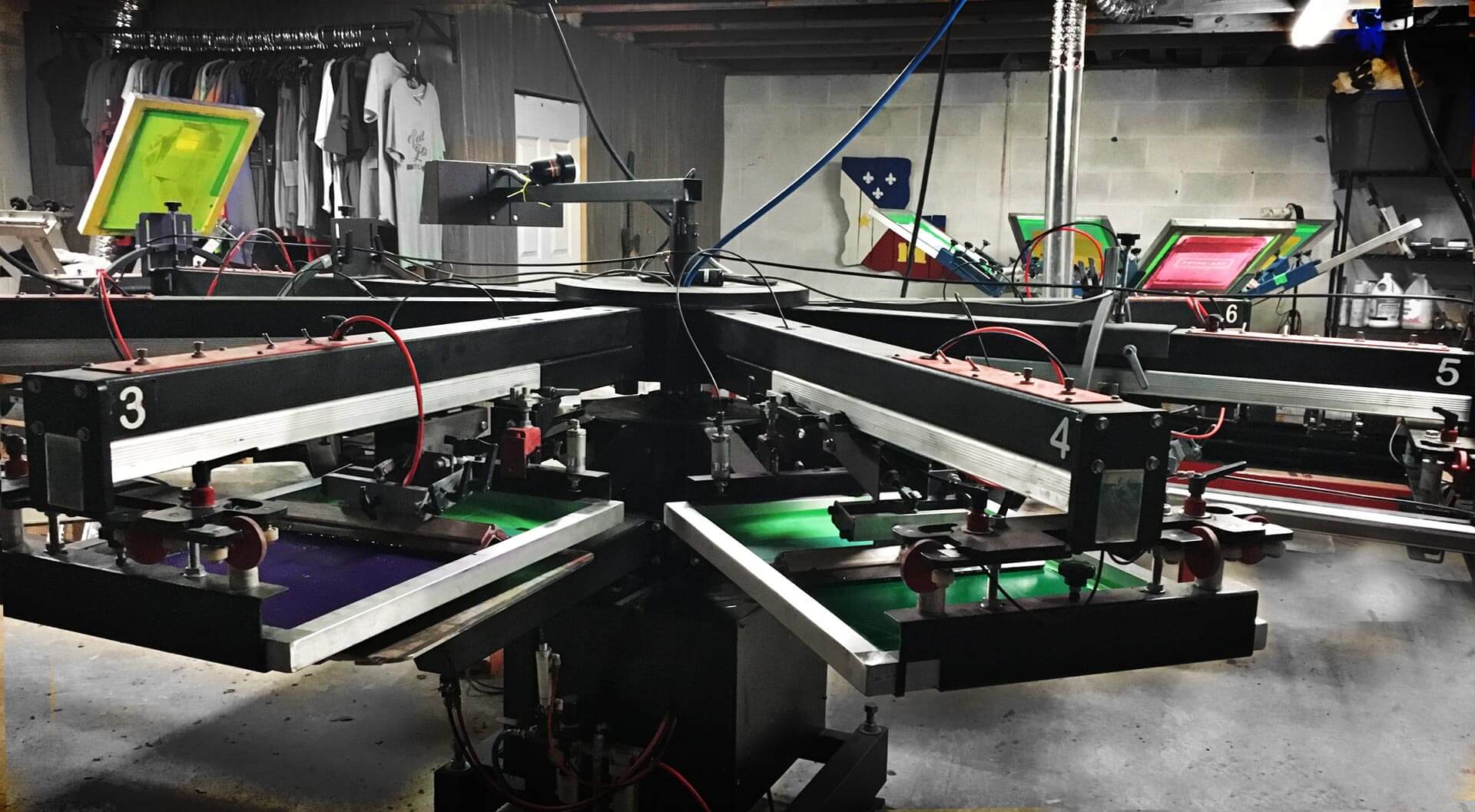
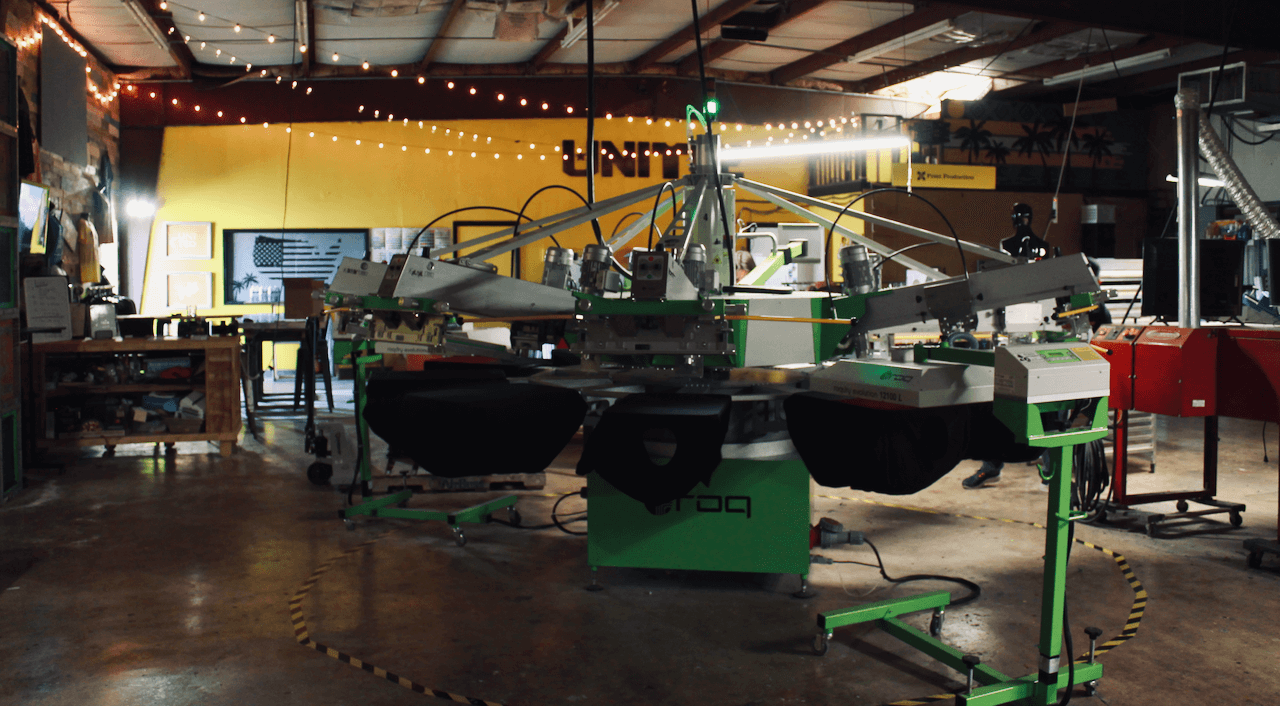
Simultaneously, we made a third attempt at automating production and invested a substantial six-figure amount into equipment and infrastructure.
The Southern Apparel name no longer represented the clients we served or the company we hoped to become.
We chose UNITEE because it better expressed the purpose of the work: creating apparel that gives organizations, teams and communities something they can share.
After COVID, we also invested early in digital printing technology. The move carried risk, but we believed adapting was the only viable way forward.
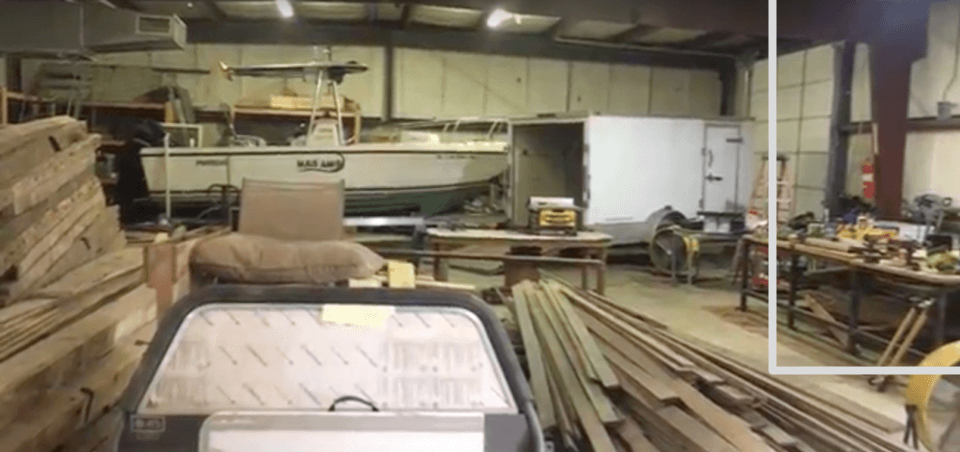
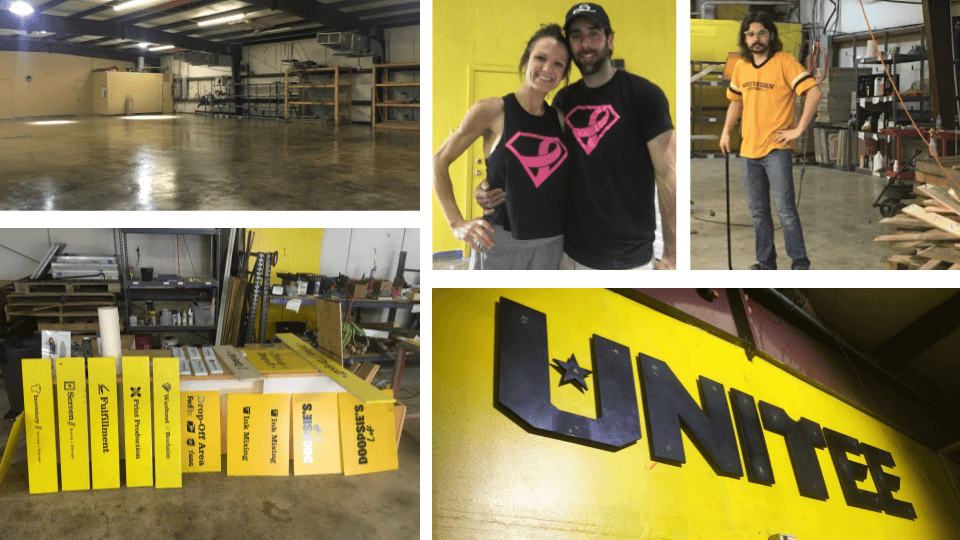
What got us through the first stage of the business was not enough to build a stable, lasting and impactful organization.
We realized we had to become more disciplined about systems, training, technology and growth. Hard work alone was not the answer. We needed a better foundation and a more balanced organization.
The complementary partnership that helped Tanya and me move the company forward now extends throughout the UNITEE team. We are no longer relying on one person to carry every idea, relationship, decision or production challenge.
Today, UNITEE serves organizations across the country in hundreds of markets. Our capabilities have expanded, our team has grown and the third attempt at automating production has worked considerably better than the first two.
I continue to push the vision, creative direction and big ideas forward. Tanya continues to keep her ear close to the ground, strengthen client relationships and make sure the work is executed with care.
During the 2020s, we also began adding more leadership around us. That was an important step in building a company whose stability, knowledge and decision-making could extend beyond its founders.
Around us is now a team with its own collection of strengths: leadership, design, production, communication, organization, technical problem solving and customer care. Each person helps balance the others.
We continue investing in the people, systems, equipment and processes that make ordering custom apparel easier for our clients.
We are proud of where the company stands, but the difficult years keep us grounded. We remember the people who gave us a chance when our resources were limited and the operation looked nothing like it does today.
Most importantly, UNITEE is no longer dependent on one person’s strengths. We have become a much stronger, more capable and more balanced team—and that gives us greater confidence in what we can build next.
As UNITEE grew, Matthew Douet and Bryson Chauvin became important parts of the company’s leadership. Their very different strengths added another layer of stability, technical ability and balance to the team.
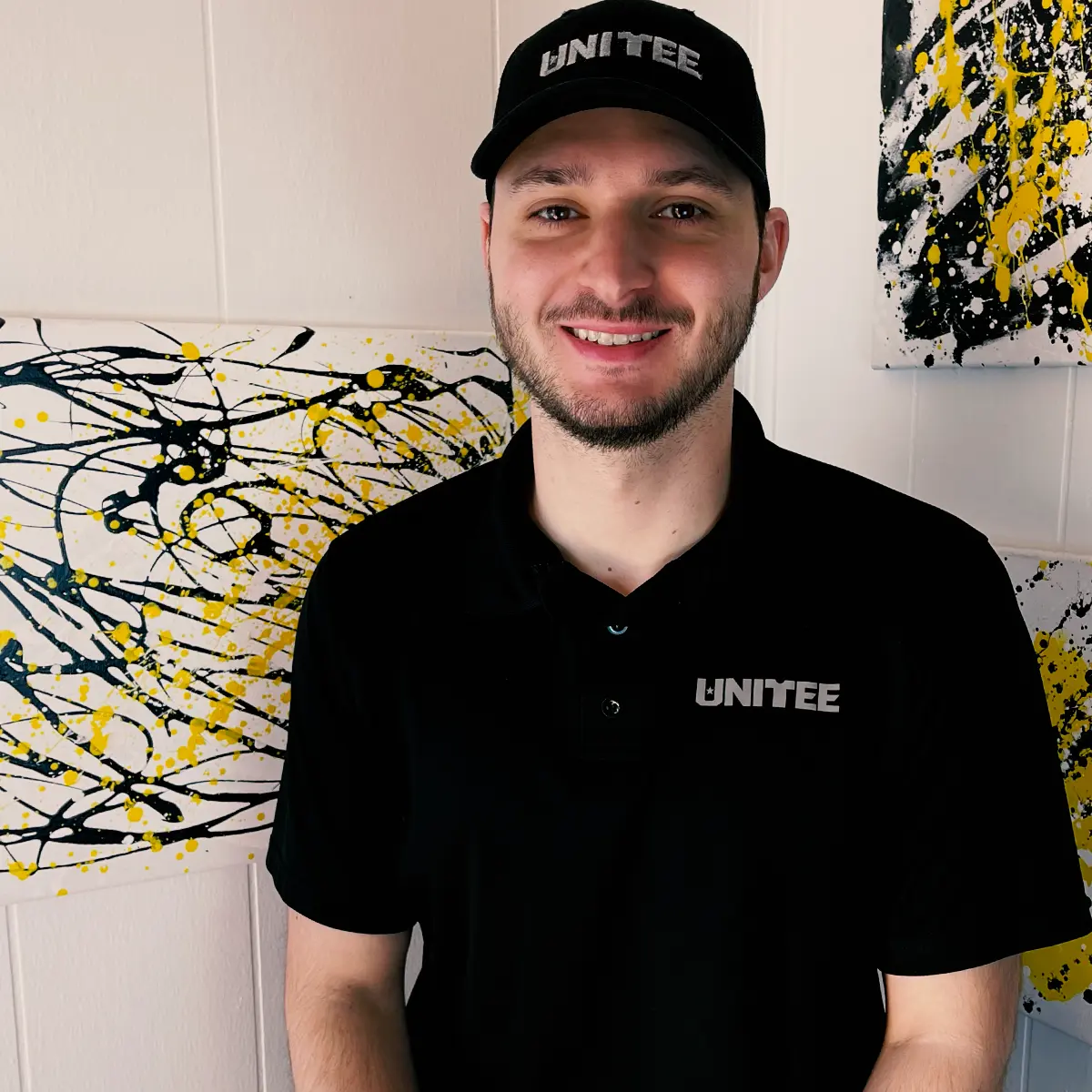
Matthew is the glue that keeps everything together. He can do a little of nearly everything—and do it well—which allows him to connect departments, fill gaps and keep the team moving when priorities shift.
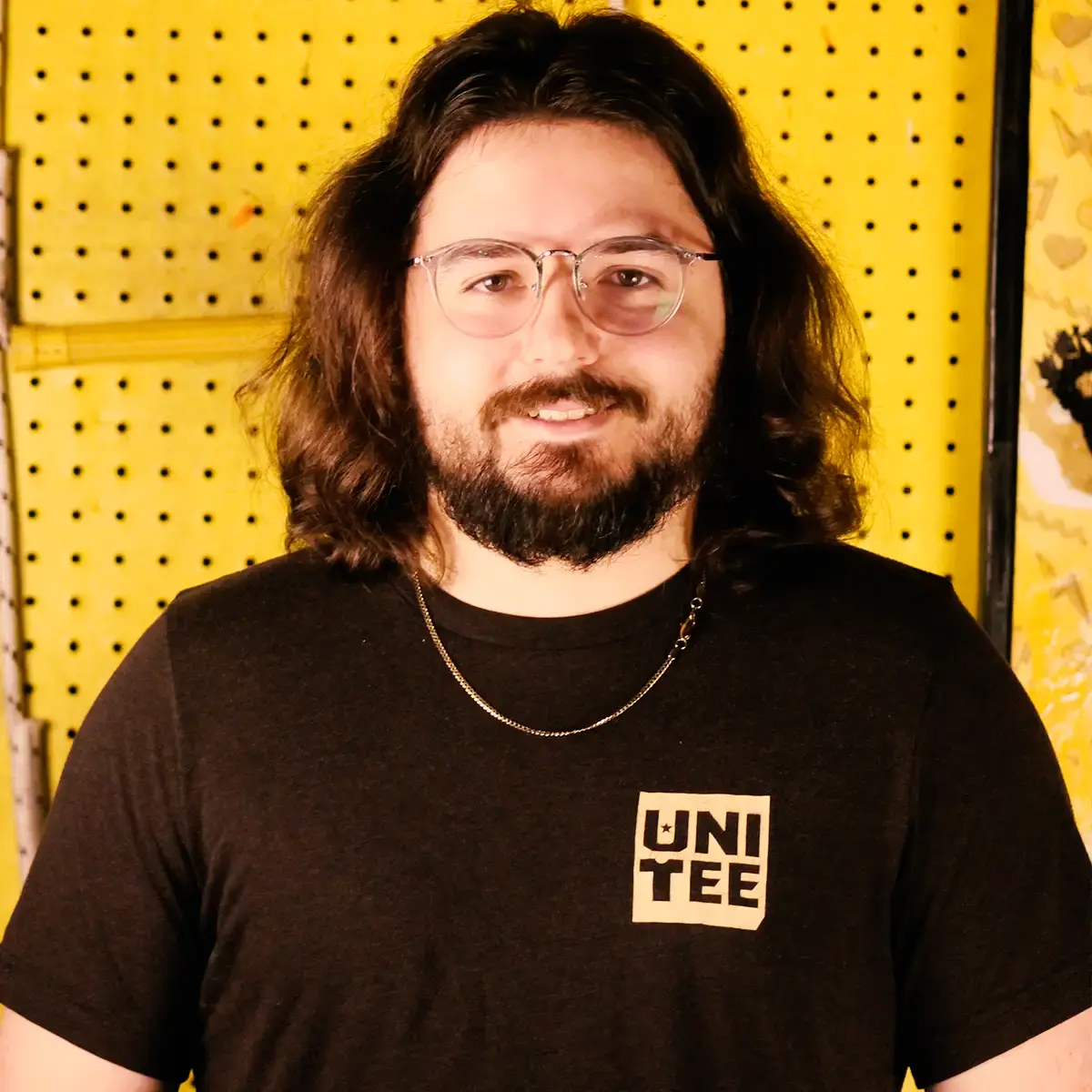
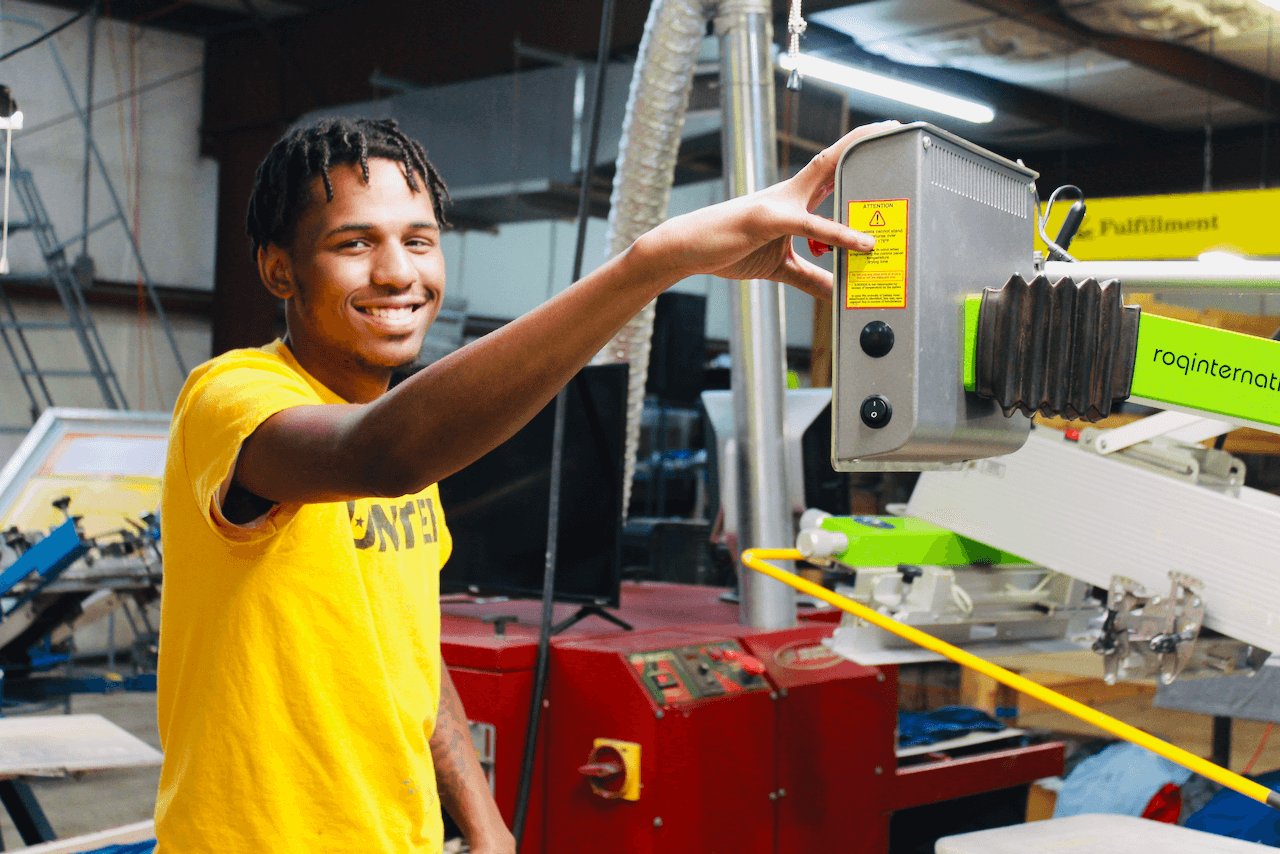
Bryson is technically brilliant and a master problem solver. He makes sure our equipment and production technology operate at a high level, solving the difficult problems that keep the entire operation moving.
There are too many lessons from this journey to fit on one page, and most of them were learned through painful mistakes.
I do not consider myself qualified to offer advanced business advice. But I can speak confidently about the value of continuing to show up.
One person works at something for two years and stops. Another person continues for ten years, improves a little at a time and eventually reaches a positive tipping point.
New opportunities appear. Previous mistakes become useful experience. Situations you were once unprepared to handle become situations you know how to solve.
Overnight successes, serial entrepreneurs and child prodigies make better folklore. UNITEE’s path was different. It was difficult, inefficient, humbling and filled with mistakes.
That difficult path is also why we are so serious about delivering for our clients. We know what it feels like when every dollar matters, when a deadline matters and when someone is trusting you with part of their own dream.
We also understand now that a lasting company cannot be built around one person’s abilities. My vision became more valuable when it was balanced by Tanya’s awareness, execution and care. Our partnership became stronger as the right people joined us.
Adding leaders like Matthew and Bryson gave the business another layer of stability. Matthew helps connect the people, departments and priorities that keep UNITEE moving, while Bryson brings the technical expertise and problem-solving ability required to keep our production operation performing at a high level.
Today, UNITEE is the most balanced it has ever been. We have people who dream, people who listen, people who organize, people who create, people who solve difficult technical problems and people who make sure the work gets finished properly. Our individual strengths no longer compete with one another. They reinforce one another.
That stronger team is the clearest sign of how far we have come—and the biggest reason we believe the best part of the story is still ahead.
UNITEE is stronger because our team is balanced. Vision is supported by execution. Creativity is supported by organization. Big ideas are supported by people who listen carefully, solve problems and make sure the work is completed properly.
Discover what that balance can bring to your next custom apparel project.